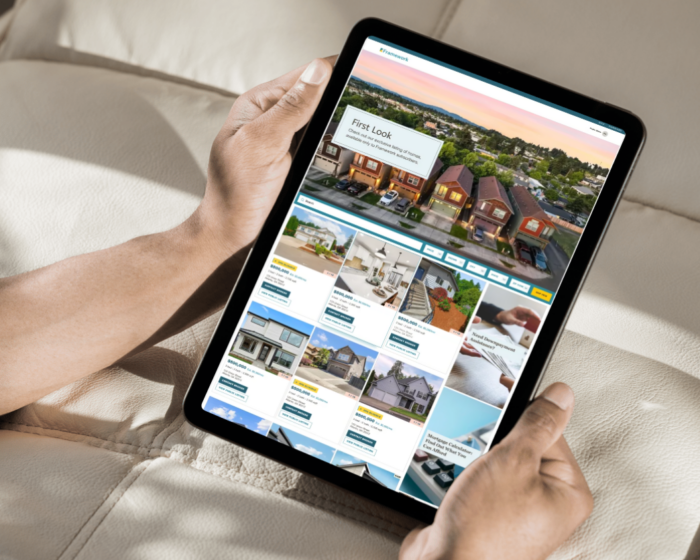
Homebuyers have more access to information than ever before.
Before ever talking to a lender, housing counselor, or a real estate professional, aspiring homebuyers can watch hours of YouTube videos, search Google and ChatGPT for answers, compare mortgage scenarios on TikTok, and hear from people who have already bought a home. That should make today’s homebuyers more prepared than ever.
But information and understanding are not the same thing.
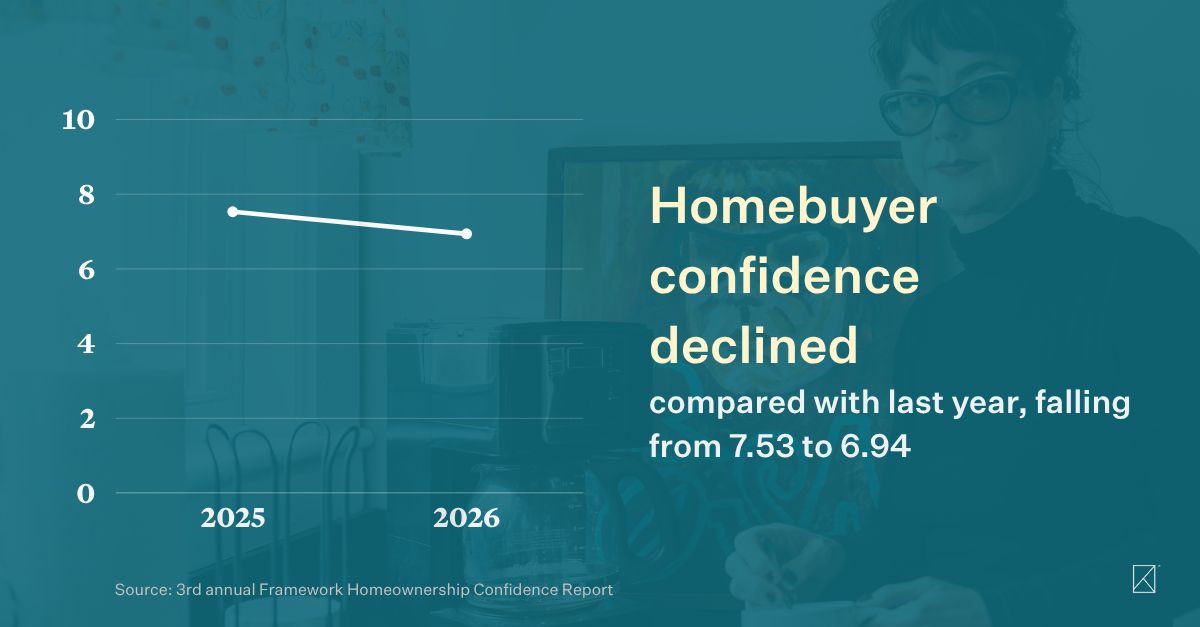
And there is a reason that distinction matters. In Framework’s latest Homeownership Confidence Report, homebuyer confidence declined compared with last year, falling from 7.53 to 6.94 on a 10-point scale. At the same time, today’s buyers have more ways than ever to educate themselves. If access to information created confidence, we might expect today’s homebuyers to feel more prepared than previous generations. Instead, confidence is moving in the opposite direction.
New research from Guild Mortgage and YouGov suggests that Gen Z is entering the homebuying process already having done significant research; however, research doesn’t always translate into confidence or readiness. Buyers may know the terminology, have a sense of what they can afford, and arrive with a long list of questions, while still struggling to understand how all those pieces apply to their own financial situation.
For housing professionals, that’s an important distinction.
The challenge is no longer simply getting information into the hands of homebuyers. It’s helping them turn an overwhelming amount of information into the knowledge, confidence, and decision-making skills they need to navigate homeownership.
Homebuyers Are Starting the Education Journey on Their Own
The homebuyer education journey often starts long before a buyer contacts a lender, housing counselor, or real estate agent. Someone considering buying a home may spend months or even years gathering information from dozens of sources. They may learn about credit from one creator, mortgages from another, down payment assistance from a friend, and homebuying mistakes from a TikTok creator.
By the time they sit down with a professional, consumers have more information than previous generations ever had. However, that doesn’t mean more understanding. As Guild Mortgage’s research puts it, “today’s buyers are bringing far more information to the table than previous generations, but not necessarily greater understanding.”
That creates a new challenge for housing professionals. They are starting with a buyer who has already formed opinions, expectations, and assumptions. Some accurate, some incomplete, and some potentially incorrect. The role of education, then, goes beyond increasing access. It’s to help homebuyers make sense of the information they already have. That makes trusted, unbiased education more important.
The Rise of Self-Led Education Increases the Need for Guidance
While it may appear that Gen Z prefers to learn on their own, we see something different. Self-led education doesn’t eliminate the need for housing professionals. It changes when and how their expertise becomes valuable.
A buyer who has already researched mortgage rates may not need another explanation of what an interest rate is. They may need help understanding how different loan options affect their monthly payment. And a buyer who has watched dozens of videos about buying a home may still not know what questions they should be asking.
The more information buyers can access on their own, the more valuable trusted professionals become as guides, interpreters and advisors. That means homebuyer education should be designed to complement with the expertise of lenders, counselors, real estate agents and housing partners.
Education Should Be a Foundation, Not a Milestone
For years, homebuyer education has often been treated as a milestone: something a buyer completes before moving forward with a transaction. But the homebuyer journey doesn’t happen in a straight line.
Buyers encounter new questions as they improve their credit, determine what they can afford, explore financing options, make an offer, close on a home, and eventually become homeowners. And for homebuyers who have purchased a home previously and know much of the information, they feel like they’re checking a box and not learning anything unique to their experience.
Education should reflect their reality.
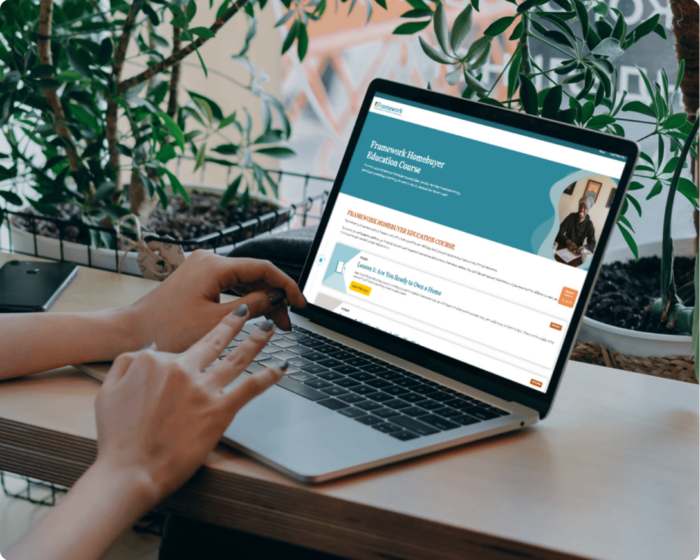
At Framework, we’ve seen evidence that buyers want that education earlier. 64% of homebuyers who complete Framework Homebuyer Education tell us they wish they had received the course earlier in their homebuying journey. That is an important signal. It shows that education is more than a check in a box. It can help them make better decisions throughout the process and potentially give professionals a stronger foundation for the conversations that follow.
While the industry has historically treated homebuyer education as a milestone, we believe it should be foundational and provide a system of support along the way. A platform that buyers can access when they need it. A platform professionals can build upon.
Shared Understanding Creates Better Conversations
One of the biggest opportunities is also one of the simplest: creating a shared foundation between homebuyers and the professionals supporting them. When homebuyers have access to accurate, unbiased, and structured education before they meet with a professional, the conversation can start from a stronger place.
Instead of spending time correcting basic misconceptions, professionals can focus on understanding the buyer’s goals and helping them navigate decisions unique to their situation. That’s particularly important as buyers increasingly arrive with information gathered from sources that vary widely in quality and credibility. A common educational foundation doesn’t replace personalized guidance. It makes personalized guidance more effective.
And the foundation doesn’t have to look the same for every community. Housing organizations can customize education and support to reflect the needs, resources, and challenges of the homebuyers they serve. We’ve seen this with the work we’ve done to create custom education for our partners, Twin Cities Habitat for Humanity and Pennsylvania Housing Finance Agency.
What This Means for Housing Professionals
The changing way buyers learn has implications for the entire housing ecosystem.
1. Meet buyers before they’re ready to transact.
The homeownership journey often starts long before a buyer is ready to apply for a mortgage. Education creates an opportunity to establish trust and provide value earlier when buyers are first exploring whether homeownership is possible for them.
2. Don’t confuse information with understanding.
A buyer who arrives with extensive research may still need help connecting that information to their own circumstances. Professionals can add tremendous value by helping buyers understand the implications of the decisions in front of them.
3. Make education part of the relationship.
Questions don’t end when a buyer completes a course. They don’t end at closing, either. Providing ongoing access to trusted education and resources can help buyers navigate the decisions that continue throughout homeownership.
4. Build a common foundation, then personalize from there.
Structured education can establish the fundamentals. Professionals can then focus their expertise where it matters most: helping buyers apply those fundamentals to their individual goals, finances and circumstances.
The Future of Homebuyer Education Is About Context
The next generation of homebuyer (read: homeownership) education will be defined by how well we help them understand that information, apply it to their own circumstances, and make confident decisions throughout the homeownership journey.
Homebuyers need better context, and the housing professionals who help provide that context will play an increasingly important role in helping the next generation become successful homeowners.
For the industry, that means rethinking education as more than a milestone to complete. It means creating a foundation buyers can build on and professionals can build from, throughout the homeownership journey.